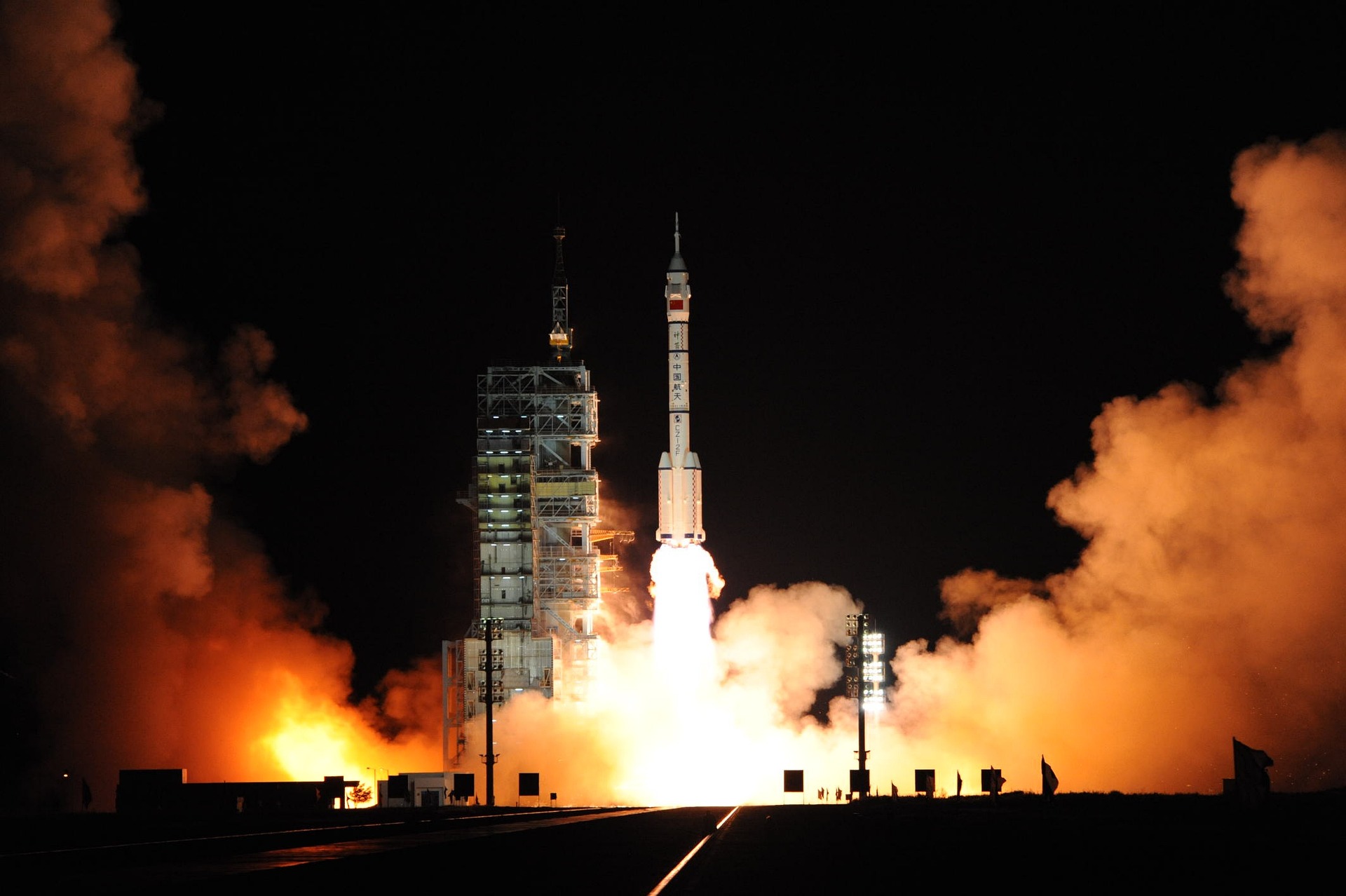
The reason why this revolves around the impact of Artificial Intelligence on the aerospace industry back in 2026. We explore the tech-based future of the flight through the predictive maintenance that saves flight waiting time by AI, to the actual making of aircraft lighter and greener through generational designs. Learn how AI is used in autonomous pilot guidance, air traffic control and exploration of the deep space. And on whether you are an industry professional or a tech lover, you will learn how the air travel has never been safer, efficient and sustainable like it is with the introduction of intelligent wings. The next piece of sky technology is this and this one is AI-powered.
It is entitled The Sky is No Longer the Limit: How AI is Redefining Aerospace in 2026.
Have you bever been sitting in an airport lounge, and observed a sign that said Delayed and wondered why during a time of instant communication we have not yet predicted what mechanical glitch will occur before it actually takes place.
Good news is, I have some good news about your future plans of traveling. The aerospace sector is experiencing the biggest transformation in (AI).
The AI in aerospace is no longer the experimental cool tech but has taken the form of an extremely nervous system of the aviation sector in 2026. It is enabling us to make lighter planes, the routes fly that are greener, and most importantly to have us safe in the skies.
Predictive Maintenance: Continental Repair of Planes before They Break.
The old method of servicing an aircraft was just like your car you change the O-ring when the warning light there comes on or you put it on a computer on a regular schedule. However, when a high-stakes environment such as aviation is concerned, reactive is not a good thing?
In modern times, predictive maintenance [based on AI (see figure 3) is the new norm. Thousands of sensors fitted in the mode
run jet engines produce the real-time stream of data. This information is processed by AI in order to identify minute changes, which may be invisible to a human and are the vibrations or temperature bursts. Resultant benefit The airlines are now able to forecast component failures three weeks ahead with 99 percent hitting it. Delays in flights will be reduced by 85 percent. Even when the engine requires a new seal, it is already ready in the gate when the plane is not yet on the ground.
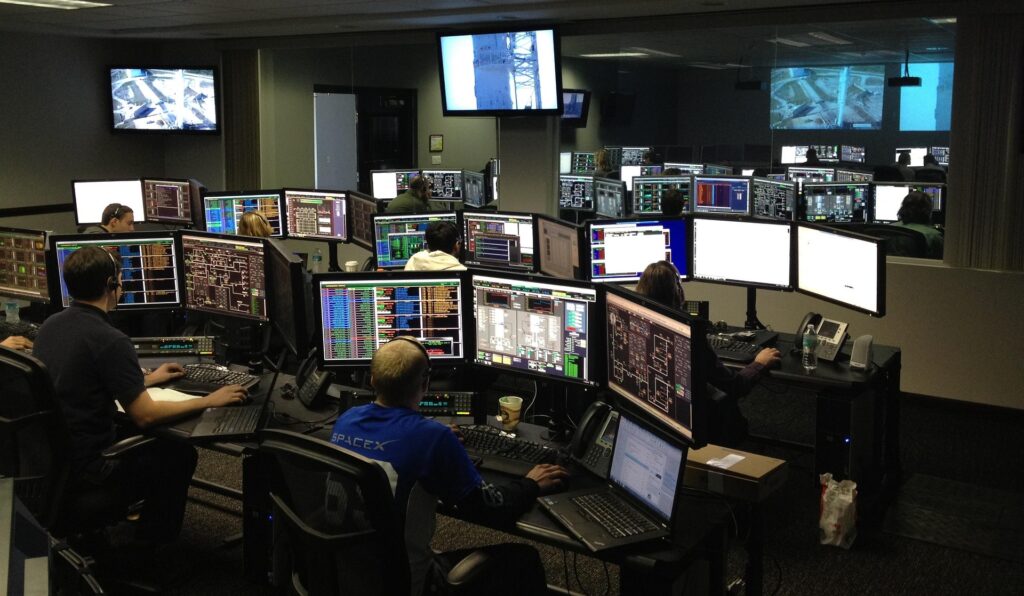
When you see a wing of an airplane in the modern day it appears solid. However, consider the shapes that were produced on the generative AI sites in 2026 (see Fig. 1) and you will find something that resembles the bone structure of a bird (even more), hollow and organic, yet incredibly intricate.
Part growth is a phenomenon that engineers are currently applying AI. You provide the AI with the constraints as it needs to be a 500 lbs weight and must have this bolt pattern and the AI generates millions of shapes that a human brain would never consider.
Weight Loss:
AI-designed components are then 30-50lbs. lighte
Fuel Efficiency:
Lite aircrafts consume less fuel which is an enormous victory to [Sustainable Aviation Initiatives] https://www.google.com/search?q=%23).3. Material Savings: The almost zero waste is due to the 3D printing of these AI designs (Additive Manufacturing)
It is not pilotless commercial 747s as yet, though the skills and abilities of the human-AI collaboration in the cockpit have a new stage of development. The cabin is controlled by futuristic [Autonomous Cockpit Systems] ( https://www.google.com/search?q=%23 ).
As the human captain is engaged in high decision making, the AI is able to deal with the cognitive burden. It scans the weather trends many hundred miles in advance, adjusts the fuel consumption in flight real-time, and gives [Intelligent Flight Path Adjustments] https://www.google.com/search?q=https://www.easa.europa.eu/en/domains/research-innovation/ai
evade turbulent weather. This is fundamental in solving the issue of pilot fatigue and ensuring that every flight you will be taking is much easier in seat 14B.
The air is becoming congested. All current Air Traffic Control (ATC) systems are in overdrive with an upsurge in passengers being reported globally this year.
AI is intervening to handle the sky-high Big Data. With the help of [Air Traffic management by artificial intelligence]
Optimize the distance between the aircrafts to revive more planes in an hour safely.
Cut back on hold patterns (thousands of gallons of fuel to fly over an airport), and thousands of gallons.
Implement [Unmanned Traffic Management of the increasingly high population of delivery drones and air taxis in our air space.
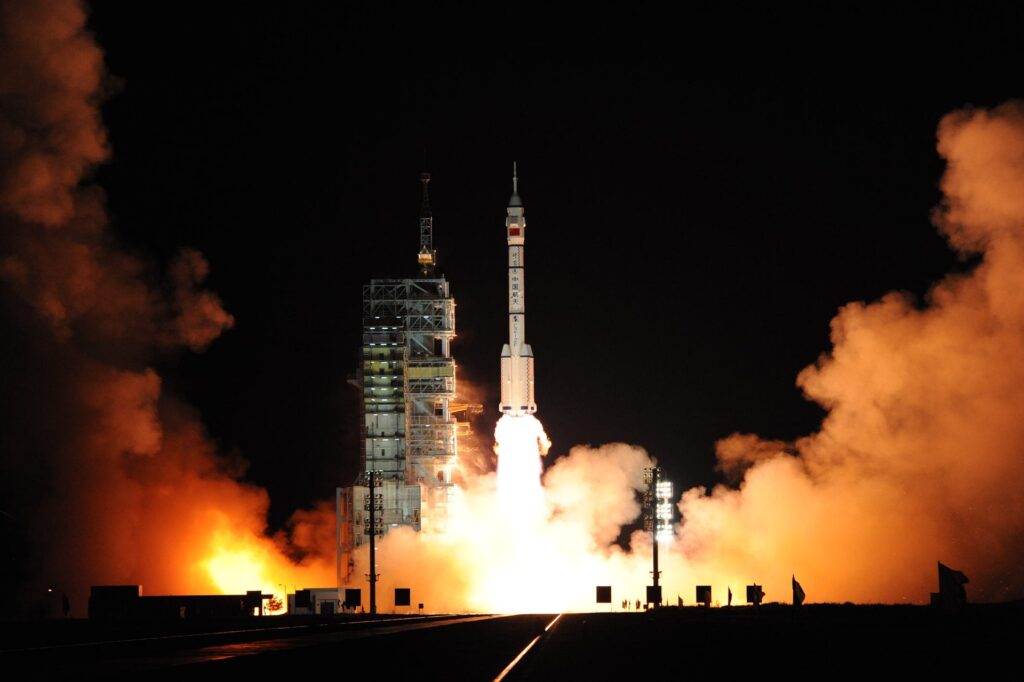
AI and Space exploration.
It is not just of getting New York London. The 2026 Space Economy is based on AI. Due to delay of communication in deep space during minutes or hours, robots and satellites cannot come to wait until a signal is received on the earth before they can make a move.
It is now possible to process information on board the satellite. The AI will recognize a wildfire in real-time and relay an instant notification to emergency personnel instead of uploading a low-quality image of a cloud and reaching the Earth.
AI-enabled computer vision enables the rovers to land on dangerous areas on Mars or the moon without human control which opens up the once-considered too-dangerous area.
Trust and Safety The Road Ahead The Road Ahead: Trust and Safety.
People constantly ask me as I am a specialist in the field. Can we really trust a machine with our lives at 35,000 feet?
This is the solution in Rigorous Certification. The world’s first standards of the existent of the explainable AI are being established by such organizations as easa.This implies that we will not simply trust the AI since it is intelligent but we need it to present its work.
It is not meant to overthrow humans, but rather to empower them with super powers that is, to see the invisible, to know the unpredictable and construct the impossible.
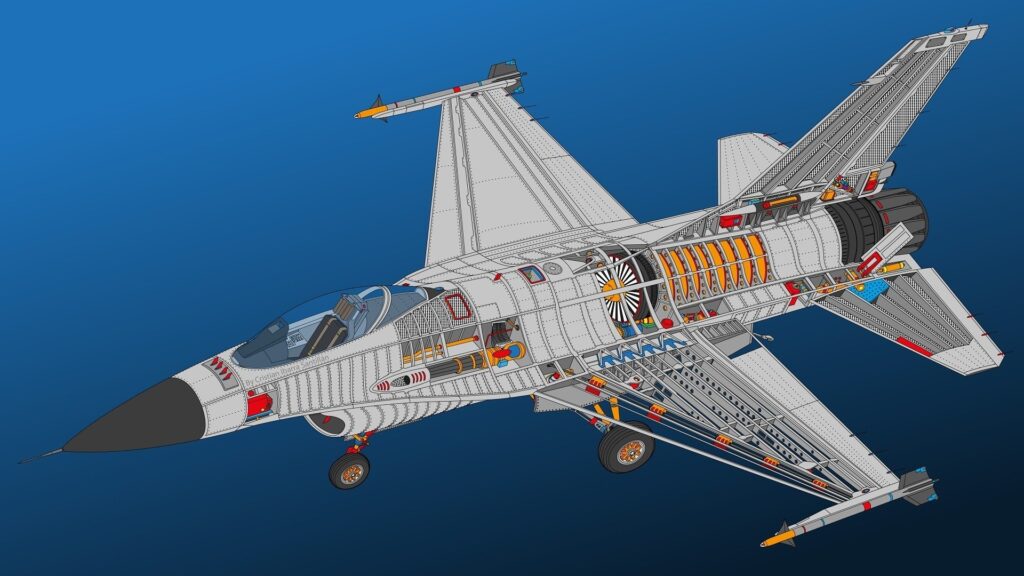
The application of AI in aerospace is no longer a science fiction cliché, but rather a viable, reliable, tool which is reducing the world into a smaller place and placing the stars in reach. The AI is the bit of wind in our virtual sails whether it is the engine of a commercial jet or whether it is the rovers on a planet far away.
To complete our tour of the smart skies, we should consider the new horizons where AI is evolving into a useful companion, to a critical architect.
The emergence of Agentic AI Autopilot Operations.
We are currently experiencing a transition to Agentic AI in 2026, and not simple AI tools. These AI agents are active as opposed to the traditional software, which requires a command to be issued. An AI agent does not simply identify the ripple effect of a delay in a busy airport such as London Heathrow or Dubai International; it can identify the ripple effect on the entire network.
Situation There is a rapid thunderstorm strike in one of the major hubs.
The AI agent also negotiates with other digital systems in a few seconds to reassign gates, rebook 2,000 passengers on the best routes, and to change fuel loads of departing flights.
It is this degree of Total Airport Management (TAM) that will ensure that the friction of traveling is a thing of the past. By 2027, you will be able to use your mobile application and be led through the biometrics, security and boarding processes by simply not stopping walking.
Urban Air Mobility (UAM):
The 3D Commute.
We have mentioned such huge jets, but what about the flying taxis flying above our cities? Autonomous Urban Drone Market is a booming business, and it is expected to be over $8 billion in 2033.
These electric vertical takeoff and landing (veto) vehicles need to be automated. People cannot even imagine how to control the number of thousands of drones delivering people and packages at the same time. The 5G and geospatial data used by AI-driven Collision Avoidance Systems is designed to establish a so-called digital bubble around each craft so that they could man oeuvre through the city skyscrapers and power lines without any human intervention.
Cleaning Up the “Graveyard” of Orbit.
Space is becoming disheveled. The threat of a Kessler Syndrome happening due to the collisions between the satellites is a reality in the global internet and GPS systems, with thousands of new satellites being launched annually.
AI has become our major orbital sweeper. Some of the projects such as the ClearSpace-1 by the European Space Agency are deploying AI-controlled robotic arms to detect and retrieve abandoned satellites. In the meantime, Google is developing Project Sun catcher which involves the operation of AI data centers in orbit, autonomously controlled by flight in order to maintain the distance between satellite clusters a few hundred meters apart and travelling at 17,500 mph/hr.

Sustainable Aviation Fuel (SAF) and “Glass-Box” AI.
The net-zero aviation by 2050 dream will be dependent on Sustainable Aviation Fuel (SAF). The problem? Production of such fuels that are not petroleum based is a complicated puzzle of a chemical nature.
A Dual-Engine AI framework
That is currently used by researchers in 2026 is being applied to speed up the process of creating new catalysts. It is not black box AI and we just do not know how it arrived at the answer. This is Explainable AI (XAI) – or Glass-Box AI that gives out clear design principles that can be verified by scientists. The technology is reducing the number of years to create cleaner fuels, which means that AI and Green Chemistry are the two that can be called the power couple in the environmental context.
10. the Human-AI “Trust” Framework.
With the advent of the Single-Pilot Operations in the future (which was tested by such leaders as Airbus), the emphasis has changed to the training. Flight simulators now have AI instructors who examine eye movements and stress levels of a pilot with the aim of determining the gaps in skills.
This will form an individual training cycle that will make pilots stronger. The future of aerospace is not in replacing the human touch, but rather in ensuring those in the loop are the most prepared versions of themselves in history by ensuring the use of AI.



Leave a Reply