Meta Description:
Learn about how technology is changing education in 2026. Find out how the classroom is changing, from AI-powered personalized learning and virtual reality field trips to the problems of the digital divide. Find out why 86% of students now use AI, how VR helps people remember things better by 70%, and what the “Digital Spring” in the Global South means for the future of learning around the world. This in-depth look at the pros and cons of the high-tech shift in modern schooling gives teachers and parents useful advice on how to deal with it.
Do you remember when “high-tech” in a classroom meant a big projector or a computer lab that smelled like dust and ozone? That world seems like a long time ago now, in 2026.
For example, a student in Delhi could use an AI “thinking partner” to write a play, and a university student in London could go to a lecture using a VR headset.
1. The Rise of the AI “Thinking Partner”
AI was new in 2024. In 2026, it will be necessary. We are no longer arguing about whether or not it is cheating; we are now in the age of personalized learning.
Customized Learning on a Large Scale
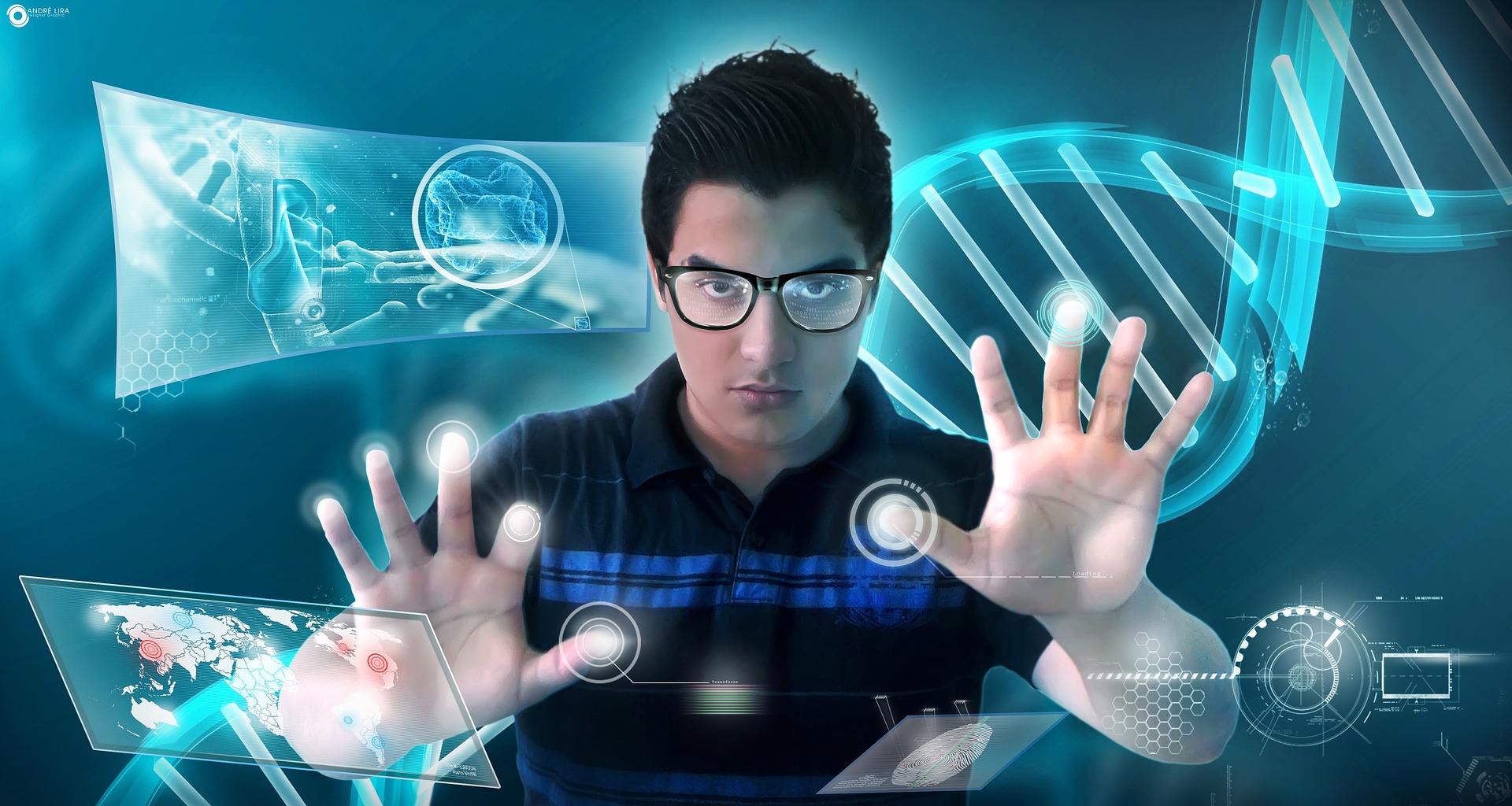
The end of the “one-size-fits-all” model is one of the best things about modern technology. AI platforms can now teach you around the clock. Recent reports from 2026 say that [AI personalization has increased course completion rates by up to 70%](https://codegnan.com/ai-in-education-statistics/). These systems can tell exactly where a student is having trouble, whether it’s with a specific calculus concept or a small detail in English grammar, and they can change the lesson on the spot.
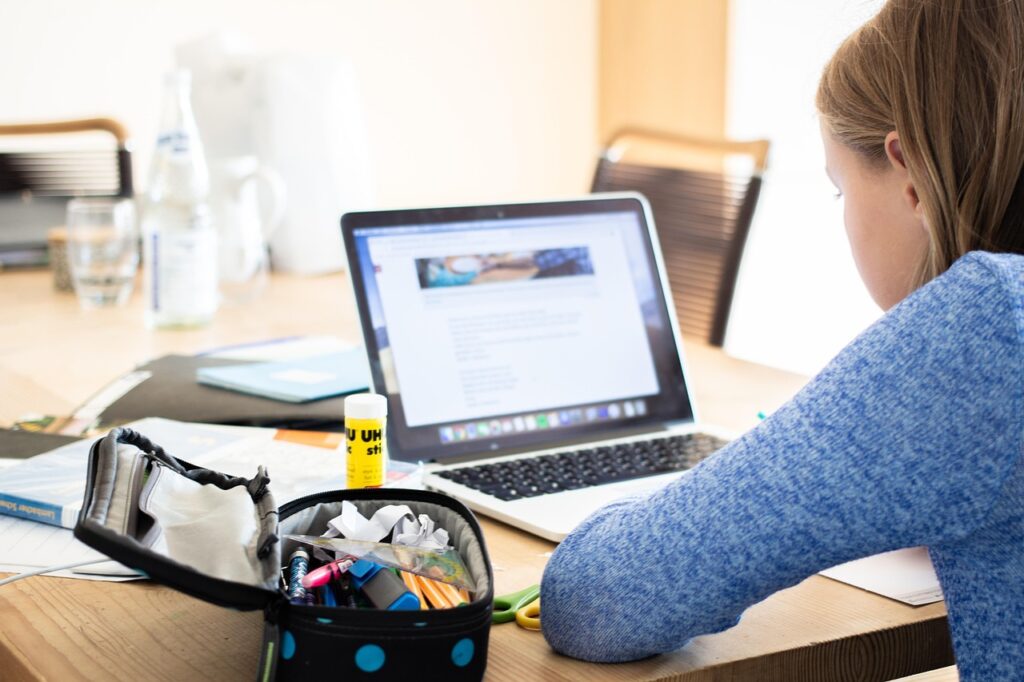
People were afraid that AI would make teachers useless. Instead, it does the “boring stuff.” Teachers today use AI to come up with lesson plans, grade multiple-choice tests, and even make creative materials for the classroom. This lets them do what they do best: mentor, inspire, and show human empathy that no computer program can copy.
2. Beyond the Screen: Learning with VR and AR that really gets you involved
You could read a book about the Roman Empire if you want to learn about it. You could also put on a headset and walk through the Forum in 2026.
With virtual reality (VR) and augmented reality (AR), watching something passively has become an active experience
Science Labs: Students can do complicated chemistry experiments without worrying about explosions.
Geography: Virtual field trips let kids see the Great Barrier Reef or the surface of Mars without having to leave their desks. Soft Skills: Medical students are learning how to be kind and caring with AI-powered virtual patients before they ever set foot in a hospital.
4. The Problems: Privacy, Distraction, and “Metacognitive Laziness”
It’s not all sunshine and fast fiber optics. The quick use of technology has brought with it some serious problems:
Ethics and Privacy: Only about 16% of countries have strict laws that protect children’s data in educational apps. Who owns a student’s “learning data”?. The Factor of Distraction: Studies have shown that just having a smartphone nearby can make it harder for a student to think clearly.
.” The Learning Paradox: The OECD’s 2026 Outlook says that “metacognitive laziness” is a problem. If a chatbot can write a perfect essay, a student might not be able to make their own argument anymore. We’re seeing a change where tests are going back to being written or spoken to make sure that the information is really in the head and not just on the screen.
6. Stealth Assessment
AI-powered platforms now keep track of a student’s progress over months instead of giving them a high-pressure three-hour test at the end of the year. This “Stealth Assessment” keeps track of how a student solves a problem, how many times they fail before they succeed, and how well they work with others in digital labs.
7.Digital Badging and Micro-Credentials
“Stackable” education is becoming more popular. Instead of waiting four years to get a degree, students are using sites like [Courseraand ) to earn verified digital badges in skills that are in high demand, such as Python for Data Science or Prompt Engineering.
8. Neuro-Education
“Neuro-Education” is becoming popular as a way to fight this. Apps are being made with built-in “focus modes” that use biometric feedback, like smartwatches that track heart rate or eye movement, to tell when a student is getting lost in a “scroll-hole” and gently nudges them back to the task.
A “D” grade in a regular classroom feels like a failure. In a gamified setting, you haven’t “unlocked” the next level yet. This change in thinking—from failure to “not yet”—is a huge step forward for students’ mental health. [Duolingo] was one of the first to do this, but now there are whole physics classes that are immersive RPGs (Role-Playing Games) where you have to figure out how to save a virtual city by calculating its trajectory.
9. The Ethics of “The Algorithm” in the Classroom
We need to talk about the big problem: *Algorithmic Bias*.
If an AI is trained on historical data that is biased against certain groups of people, it might “predict” that a student from a low-income neighborhood is less likely to do well in medicine, steer them toward “easier” subjects, and effectively automate inequality.
“Algorithm Auditing” is a new job in 2026. To make sure that the software used to “personalize” learning doesn’t actually “pigeonhole” students based on their zip code or ethnicity, schools are now hiring Data Ethicists. The [Electronic Frontier Foundation (EFF)](https://www.eff.org) is a big supporter of student data privacy. They want “Data Sovereignty,” which means that a student should own their own learning history, not the company that made the app.

10. Special Education and the “Great Equalizer”
The most touching effect of technology in 2026 might be in *Special Education (SPED)*. Technology has given the voiceless a voice.
Neurodiversity: For students with ADHD or autism, VR settings can be changed to make them less overwhelming, creating a “calm room” where they can learn at their own pace without the noise of a 30-person classroom. This is great for people who can’t hear.
11. The Hybrid Teacher: A New Way to Make a Living
What is a teacher’s day like in 2026? It’s not spent standing at a chalkboard anymore.
A Learning Architect is what a modern teacher is. They spend 20% of their time giving lectures and 80% of their time coaching at a high level. They look at data dashboards that show which students are having trouble with “Module 4” and set up small-group “Human-Only” seminars to talk about the ethics and emotional weight of what they learned.
Edutopia says that teacher satisfaction in “tech-forward” schools has actually gone up because they feel like they are doing more “human work” and less “clerical work.”
12. Useful tips for teachers: The “Human-AI” workflow
This is how you should plan your lessons in 2026 if you are a teacher or a corporate trainer:
- The Flipped Classroom 2.0 Send the AI-made video of the lecture home. Have debates, labs, and group projects in class time.
- Analog Wednesdays” or “Paper-only Hours” are good ideas to help students keep their tactile, handwriting, and long-form focus skills sharp.
13. Last Words: The Balance Between High-Tech and High-Touch
In the 2030s, “Effect of Technology on Education” will no longer be a separate topic; it will just be Education.
We are getting closer to a world where geography doesn’t determine your future. A child in a refugee camp can use a solar-powered tablet to get to the same MIT Open Course Ware as a student in Cambridge. That is the real promise of this time.
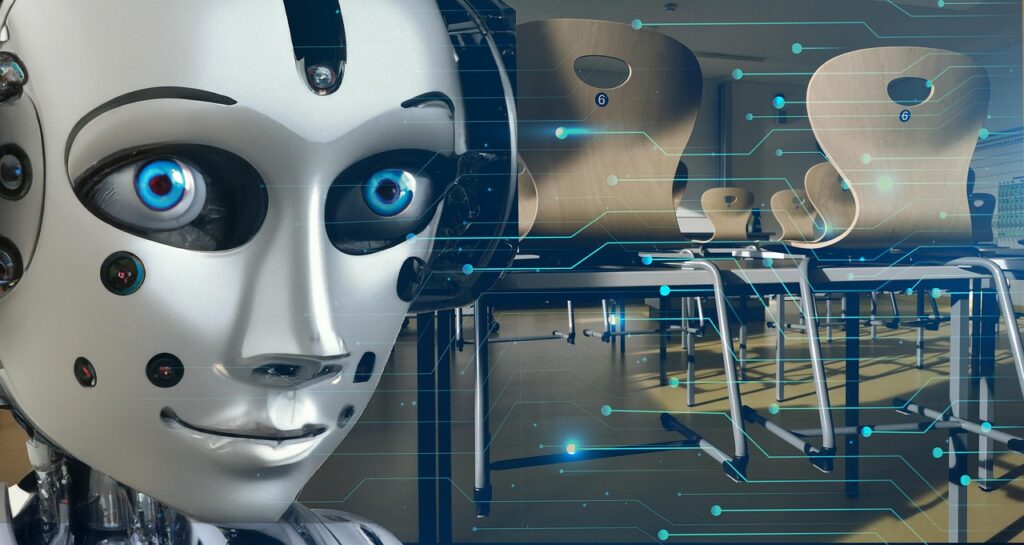
But we need to be careful. We can’t let AI’s “Efficiency” get in the way of a human mentor’s “Efficacy.” The human brain will always be the most important piece of technology in the classroom. The software we use to run it just got a huge upgrade.
Tags:

Leave a Reply