
Meta Description:
Find out how AI will change technology in 2026. Artificial intelligence is no longer just a trend; it’s the new backbone of the digital world. It has led to better software development, more personalized user experiences, and breakthroughs in healthcare and cybersecurity. Find out about the real benefits of AI, such as ethical innovations that are changing whole industries, processing data at lightning speed, and automating tasks around the clock. Our expert guide to the AI-powered future will help you stay ahead.
Change The AI Revolution how AI Will the Game for Modern Technology ?
Let’s be honest a few years ago, talking about “Artificial Intelligence” sounded like reading a sci-fi movie script. We thought that silver robots would do our laundry or holograms would run our offices. In 2026, things are much more real, but they are also much more impressive. AI didn’t just show up; it moved into the spare.
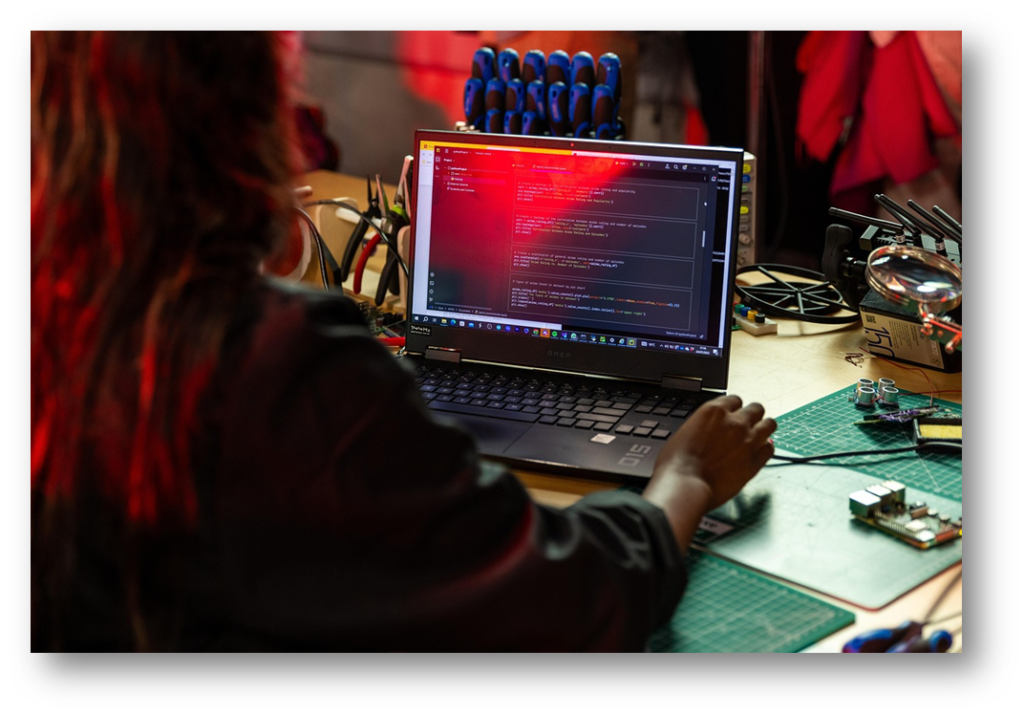
room and is now redesigning the whole house. AI is the quiet force behind the biggest technological leap of our generation, from how we write code to how doctors figure out what rare diseases are. We’re going to cut through the hype and look at the real-world benefits of AI in technology in this post. If you’re a tech expert or just want to know why your phone is getting smarter, here’s why AI is the best thing to happen to tech since the internet.
1. Better software development: from coding to “intending” :
For years, making software was hard work that required a lot of love (and a lot of late-night espressos). You had to write every line of code, find every semicolon, and hope that the “bug” wasn’t hidden in a thousand lines of text. AI has changed the way things work today. We’re going from “writing code” to “expressing intent. AI Coding Assistants: Tools like Anthropic’s newest models can now update old languages like COBOL in seconds, which used to take human teams months. Rapid Prototyping, Developers can now write a feature in plain English, and AI makes the first version. This doesn’t get rid of the developer; it makes them an architect.

2. Cybersecurity: The Shield That Never Sleeps :
In a world where cyberattacks can spread in milliseconds, people can’t react fast enough anymore. One of the best things about AI in technology is that it can act as a “anticipatory” shield.AI-powered security systems don’t just wait for a breach; they look for patterns. AI will immediately flag a user in Berlin who tries to access a database from an IP address in Singapore while downloading 5GB of data at 3 AM.
Recent reports on [AI in cybersecurity) say that companies that use automated threat detection have cut down on “alert fatigue” by a huge amount. This lets security teams focus on real threats instead of chasing shadows. Healthcare Breakthroughs: Quickness and Accuracy
AI has the biggest effects on healthcare technology when it comes to changing people’s lives. We are getting closer to “precision medicine,” which means that your genes will determine what kind of treatment you get. Imaging and Diagnostics AI algorithms can now look at MRIs and CT scans with the same level of accuracy as, and sometimes even better than, human radiologists.
https://feedglass.com/top/tech-blogs?utm_source=chatgpt.com
Finding New Drugs It used to take ten years and billions of dollars to make a new drug. AI platforms are now simulating chemical reactions in “high-pressure environments” to find new materials and medicines in a fraction of that time.
3. No more “one size fits all” with hyper-personalization:
Have you ever thought that the apps you use to shop and stream know you better than your best friend? That’s how AI does its job.
1. Predictive Analytics: AI can guess what you want next based on what you’ve done in the past, even before you know you want it.
2. AI for Conversations: Chatbots that say “I’m sorry, I didn’t get that” are no longer useful. AI assistants today can answer hard questions, understand tone and context, and provide great customer service around the clock.
We’re entering a time of “Intelligent Ops,” when our systems learn, adapt, and grow with us.
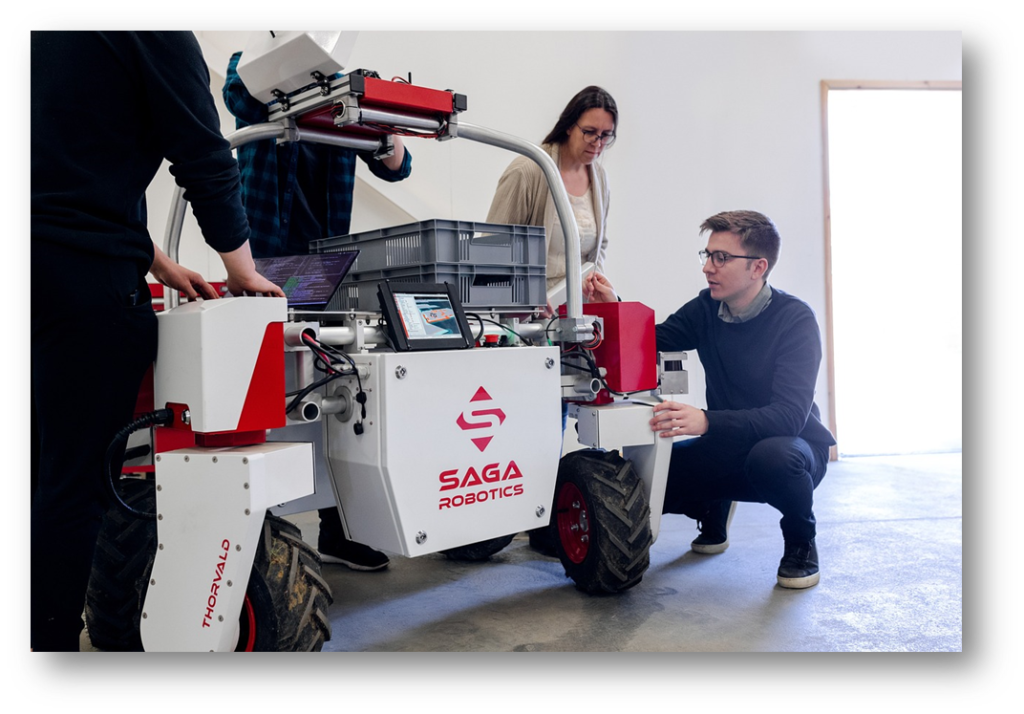
As we move through the rest of 2026, the question isn’t whether or not you should use AI; it’s how you’ll use it to make something amazing. The “backbone” of the digital economy has gotten better. Are you ready to get to work.
4. Engineering the Future: Using AI in Sustainable Technology and Infrastructure :
One of the best things about AI in technology is that it can help make things more environmentally friendly. The internet’s power-hungry giants are data centers. The first to use AI to cool these huge buildings. AI has cut data center energy use by up to 40% by constantly changing cooling systems based on how much work the servers are doing. This “green coding” movement makes sure that our planet doesn’t pay the price as our digital world grows.
5. The New Era of Making Content: AI as a Creative Partner :
People used to think that AI could only do math and logic. We made a mistake. One of the most exciting things about AI in technology is how it has taken off in the arts. Dynamic Media: Think of a video game where the music changes depending on how you feel, or a training video that automatically translates and dubs itself into 50 languages while keeping the speaker’s voice. Designers’ Prototyping: Architects can now use AI to make 3D models of buildings that take into account certain environmental factors, like “maximize natural light while minimizing heat gain in a desert climate.”
It’s not about getting rid of the artist; it’s about getting rid of the “busy work” of making things. It lets one person use the work of an entire studio.
6. AI for Accessibility and Inclusion: Closing the Gap :
One of the best things about AI is that it makes technology available to everyone, no matter how smart or physically able they are. Help in Real Time People with vision problems can now see the world in real time through a pair of smart glasses that use AI-powered computer vision. It can read menus, recognize faces, and warn you about things in your way. AI technology can now translate rare dialects and sign languages in real time and with a lot of detail. We are moving away from AI that only works in the cloud to AI that works on the edge.
What does this mean for you? It means that the “brains” are now on your devices.
Privacy First: Your privacy is much better because the AI processes your data on your phone instead of sending it to a server. No Delay: Self-driving cars don’t have time to wait for a signal to go to a cloud server and back.
7. The Ethics of Advantage: Making AI You Can Trust :
You have a lot of power, so you have a lot of responsibility. In 2026, the focus has shifted a lot toward Explainable AI (XAI as AI becomes the backbone of our technology.

An AI can’t just give an answer anymore; it has to explain why it gave that answer. This is very important in fields like finance and law. Companies are now using “Ethics by Design” to make sure that bias is caught early and that AI stays a tool for fairness.
11. Changing the way we learn and go to school :
AI-powered EdTech is breaking down the old “lecture and test” model. The best thing about this is that it offers “saleable mentorship.
A teacher can’t make 30 different lesson plans for a class of 30 students. But an AI teacher can.
They are about improvement. AI is the best way to make things happen faster. It gives our natural curiosity, problem-solving skills, and desire to connect “superpowers.”
AI is making technology more human, easier to use, and more efficient. It does everything from running our world to saving our lives. As we get closer to 2026, the people and businesses that do best won’t be the ones that are afraid of AI; they’ll be the ones that learn to work with it.



Leave a Reply